Domestic Intermodal Freight

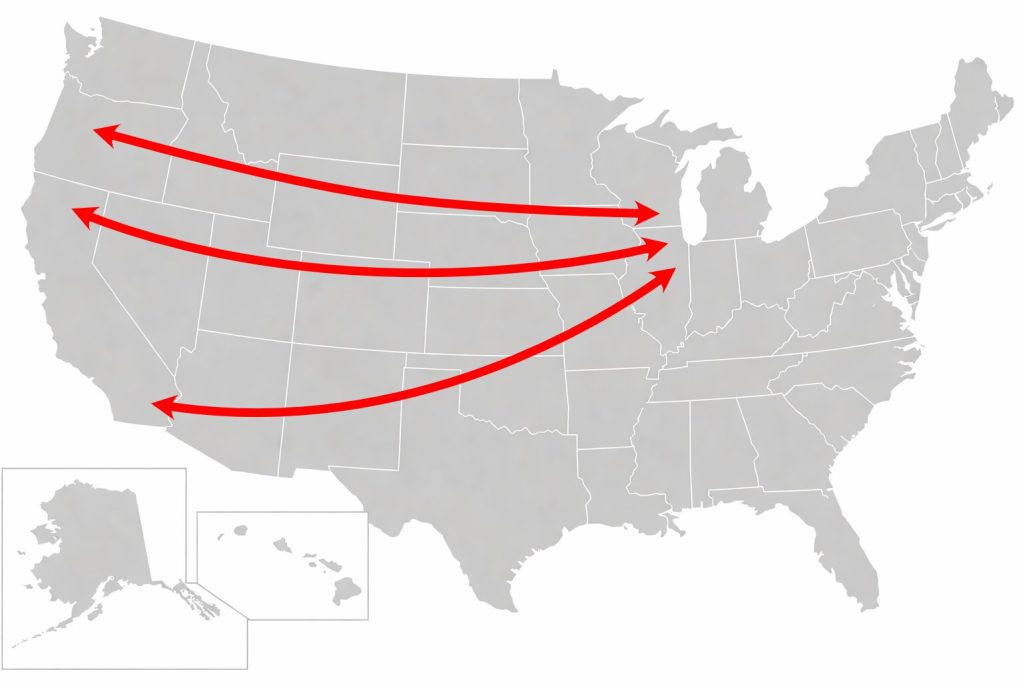
Structured Midwest-to-West Coast intermodal solutions for heavy industrial freight.

  • Class 1 rail coordination
  • Inbound and outbound container drayage
  • Transloading for intermodal transfer
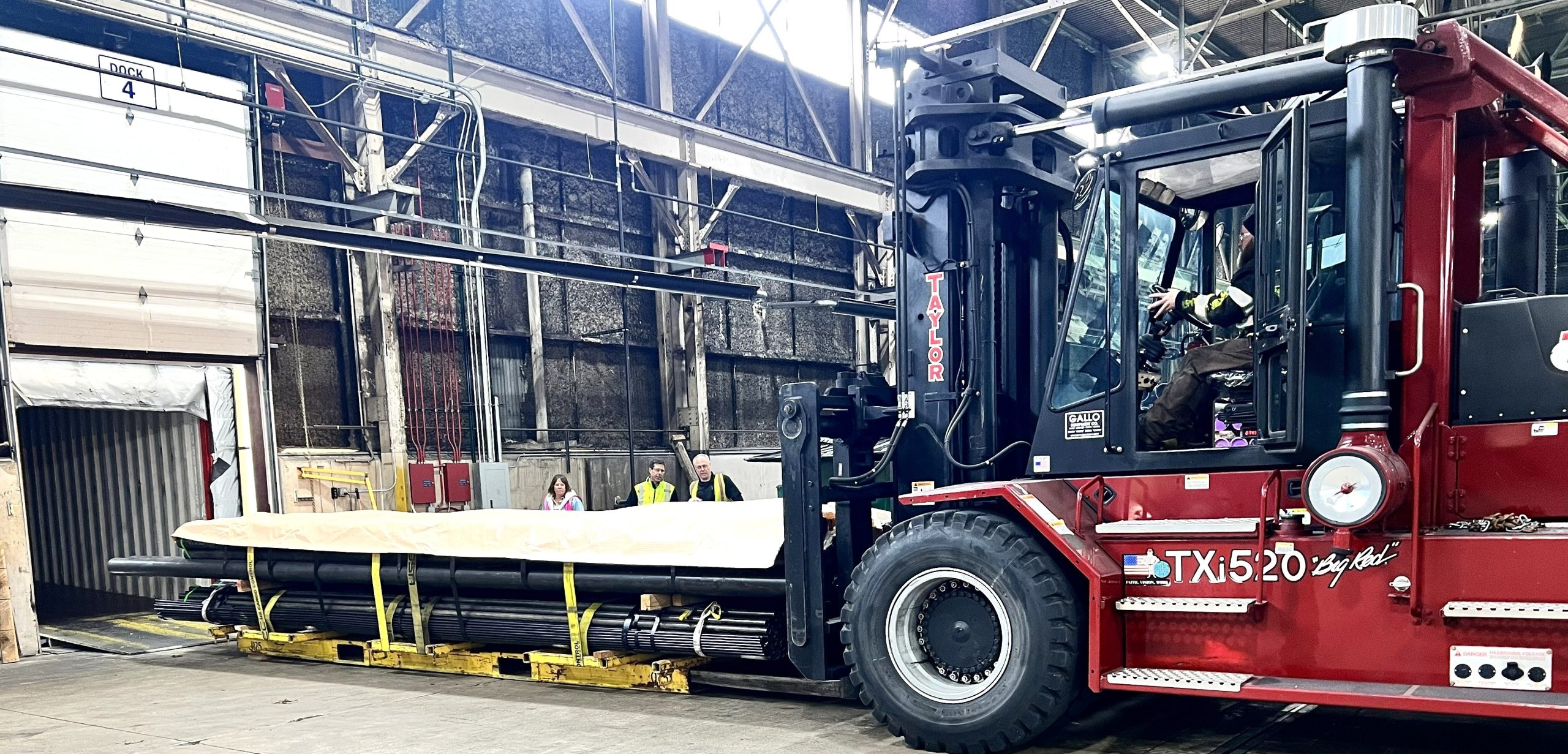
  • Heavy-lift capability (up to 58,000 lbs in select locations)
  • Overweight and specialized equipment coordination
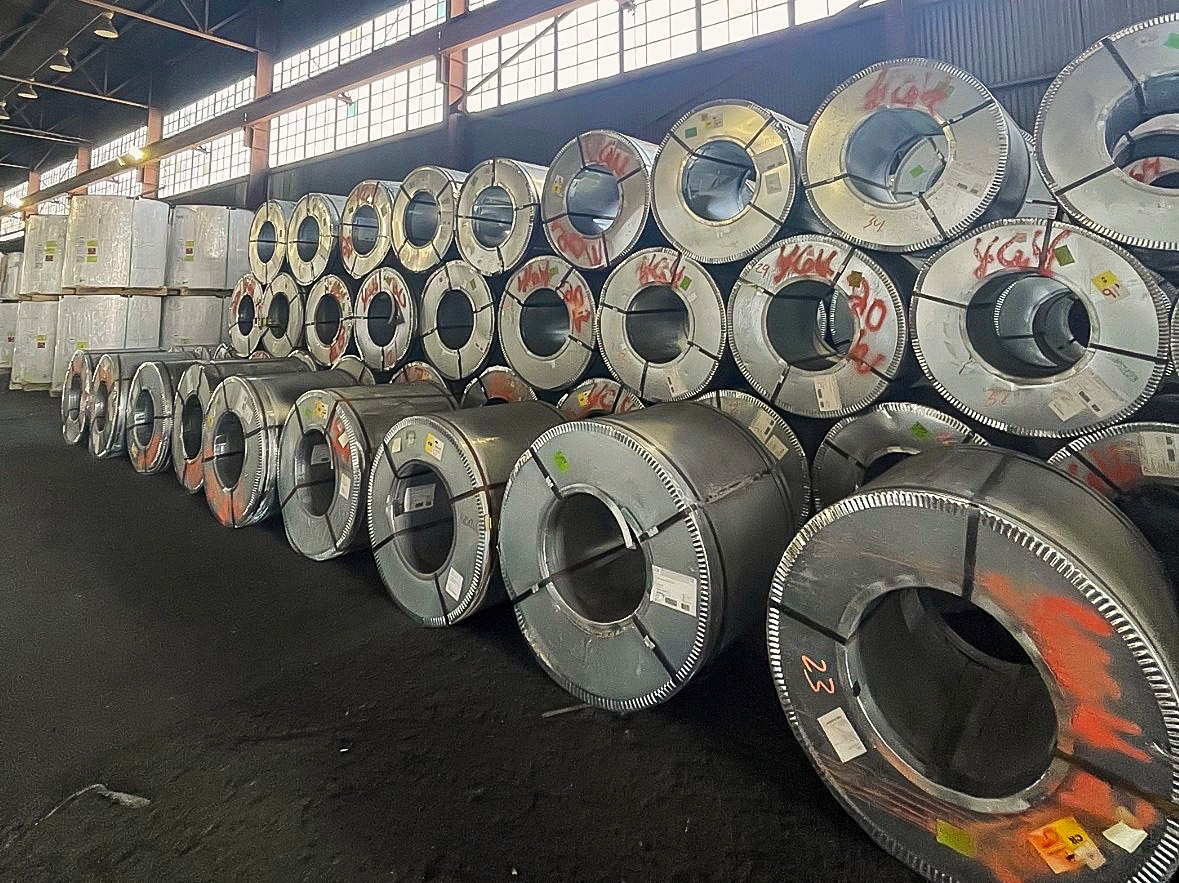
  • Long product and restricted coil handling 
Overview

Variant Logistics coordinates consistent domestic intermodal movements from Midwest origin points into Southern California, Northern California, and Pacific Northwest markets.
Our operations are built on disciplined lane execution, coordinated drayage, and structured freight handling from pickup through final delivery.

Primary regional flow:
Midwest → Southern California
Midwest → Northern California
Midwest → Pacific Northwest

Rail-approved intermodal securement

For select domestic intermodal shipments, freight is blocked and braced outside the container on the warehouse floor using rail-approved intermodal sleds designed for long products and restricted coils.

This method allows full 360-degree access around the freight prior to rail transit. Once secured, the sled is transferred directly into the container.

When freight is loaded directly onto a container floor, securement is performed within container constraints.

This structured process supports load stability and rail-compliant handling standards for heavy industrial freight.

Moisture protection for metal freight
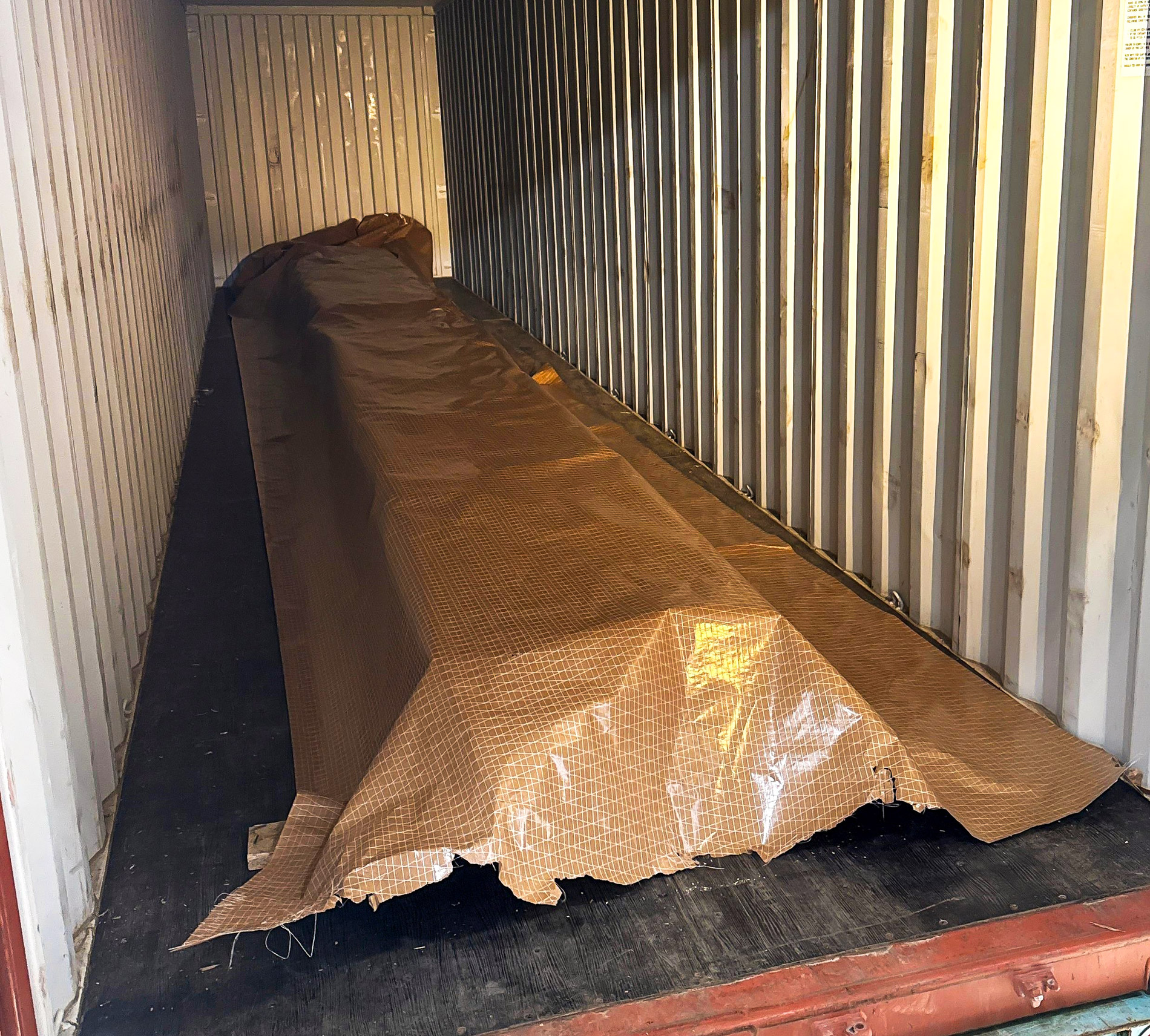
Moisture-bearing paper is applied over metal products to reduce condensation exposure during transit.

Desiccant bags are available upon request when additional humidity control is required.

Cost structure & inventory strategy

Domestic intermodal can provide cost alignment advantages compared to long-haul over-the-road trucking, particularly on consistent Midwest-to-West Coast lanes.

By reducing fuel exposure and long-haul driver dependency, intermodal offers pricing stability during volatile market cycles.

Transit times may be longer than direct truck service depending on lane and rail conditions. For shippers requiring just-in-time delivery, inventory can be staged at West Coast warehouse locations and released for local flatbed or van delivery as needed.

This structure supports cost control while maintaining service flexibility.